
On this page
If you're deciding between accepting a cash offer or listing your house traditionally, the real question isn't which one is universally better — it's which trade-offs fit your situation. A traditional listing can bring in a higher sale price, but it also brings more steps, more people involved, and more ways for a deal to fall through. A cash sale often trades some of that price for speed, certainty, and less effort.
Both paths still go through escrow and title in California, and both still require disclosures. What differs is financing, timeline, inspection dynamics, and who's involved along the way.
Selling a property like this?
Weighing your options?
Learn how QuickLine works and see what a cash offer looks like for your property.
Financing risk: the biggest structural difference
In a traditional listing, most buyers are financing their purchase with a mortgage. That means the sale depends on the buyer qualifying for a loan, the property appraising at or above the purchase price, and the lender's underwriting process clearing without issues. Any of these can delay closing or cause the sale to collapse, sometimes after weeks under contract.
A cash buyer isn't relying on a lender, so there's no appraisal contingency tied to financing and no underwriting process to clear. That doesn't eliminate all risk — a cash buyer can still back out during an inspection or due diligence period — but it removes an entire category of things that can go wrong. Proof of funds, typically a bank statement or letter from a financial institution, is how a seller can verify a cash buyer actually has the money before getting too far into the process.
Inspections in each path
Traditional buyers, especially those financing, often request a fairly thorough inspection and may come back asking for repairs or credits based on what's found. This negotiation phase can add time and sometimes reopens the agreed price. Cash buyers, particularly investors, often still inspect the property but are more likely to use that information to finalize their offer up front rather than negotiate repairs after the fact, especially in an as-is sale — see our explainer on what selling as-is actually means.
Closing costs and who typically pays
Closing costs are negotiable in both paths, but the composition differs. Traditional sales typically include lender-related fees paid by the buyer, such as loan origination and appraisal costs, plus real estate commissions that are usually paid by the seller out of proceeds. Cash sales skip the lender fees entirely, and commissions may not apply at all if you're selling directly without an agent. Sellers in both scenarios often cover the owner's title insurance policy and county transfer tax, though this can be negotiated differently deal to deal.
| Factor | Cash buyer | Traditional listing |
|---|---|---|
| Financing contingency | Typically none | Common; deal can fall through if loan isn't approved |
| Appraisal requirement | Usually not required | Usually required by lender |
| Typical marketing effort | Minimal to none | Listing, showings, staging often expected |
| Repair negotiations | Less common, often priced in upfront | Common after inspection |
| Agent commissions | Often none if selling direct | Typically paid by seller |
| Timeline predictability | Often more predictable | Depends on buyer's financing and market activity |
| Likely sale price | Often lower than top-of-market | Can be higher, especially in a strong market |
Selling a property like this?
Still deciding which route fits your timeline?
Get a no-obligation cash offer to compare against a traditional listing estimate.
Disclosures apply either way
Regardless of which path you choose, California's disclosure requirements don't change. Sellers are generally required to complete a Transfer Disclosure Statement and disclose known material facts about the property's condition. Selling to a cash buyer or marketing a home as-is affects negotiation and repair expectations, not your disclosure obligations. You can review the statutory framework through the California Legislative Information site and general seller guidance from the California Department of Real Estate.
Net proceeds vs. certainty and effort
This is where the honest comparison matters most. A traditional sale, especially for a well-located, move-in-ready home, can often produce a higher final number after commissions and closing costs than a direct cash sale would. But that higher number comes with variables: how long the home sits on market, whether a buyer's financing falls through, how much you spend preparing and repairing the home before listing, and how much ongoing carrying cost (mortgage, taxes, insurance, utilities) you absorb while it sells.
A cash sale trades some of that potential upside for a more predictable process: fewer contingencies, less prep work, and often less exposure to a deal falling apart late in the process. For sellers dealing with tenant-occupied property, an unwanted rental, or homes with code issues, that predictability and reduced effort can outweigh a lower headline price — but that's a personal calculation, not a universal rule.
How to actually compare the numbers
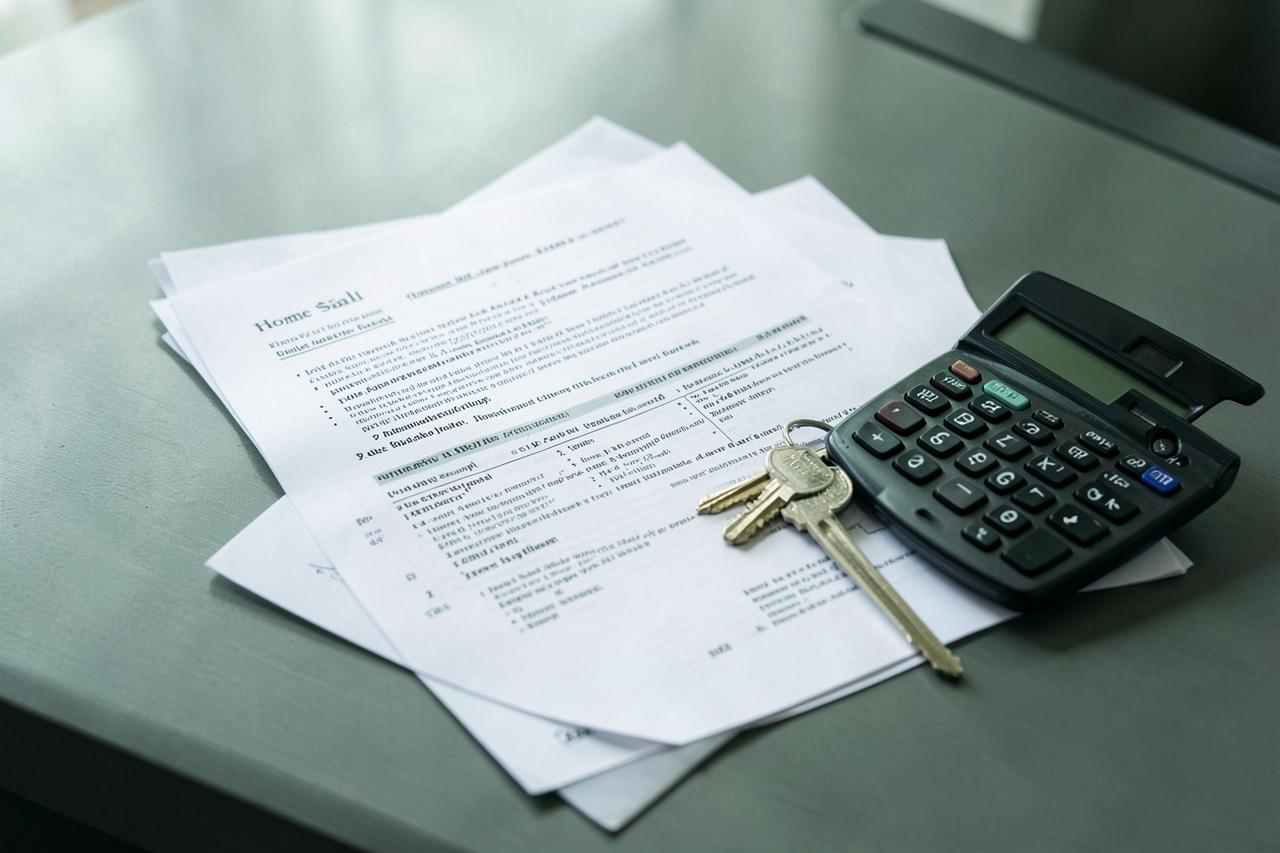
If you want an apples-to-apples comparison, it helps to estimate both scenarios in writing: a realistic traditional sale price minus estimated commission, closing costs, repair costs, staging, and an estimate of carrying costs for your expected time on market, versus a cash offer minus any closing costs you'd still owe. From there, factor in your tolerance for the deal falling through, and how much your time and stress are worth to you. A CPA can help you understand how each scenario affects your tax outcome, including capital gains treatment, and a California real estate attorney can review any purchase agreement before you sign, particularly if the property has title complications, occupants, or unresolved liens.
Frequently asked questions
- Is a cash offer always lower than a traditional sale price?
- Often, but not always. Cash offers typically account for the buyer's cost of repairs, resale risk, and lack of financing contingency, which can mean a lower headline price than a well-marketed traditional listing might achieve.
- Can a traditional sale fall through after accepting an offer?
- Yes. Financed sales can fall apart if the buyer's loan isn't approved, the appraisal comes in low, or the buyer can't satisfy underwriting requirements, even after a purchase agreement is signed.
- Do I still need an inspection if I sell to a cash buyer?
- Many cash buyers still inspect the property, but it's often used to finalize their offer rather than to request repairs afterward, particularly in an as-is sale.
- Who pays commissions in a cash sale?
- If you sell directly to a cash buyer without a listing agent, there may be no commission at all. If an agent is involved on either side, commission structures should be spelled out in your agreement.
- How do I know which option is better for me?
- It depends on your property's condition, timeline, and tolerance for risk and effort. Comparing realistic net proceeds under each scenario, with input from a CPA on tax implications, is the most reliable way to decide.
Areas we buy in
Sources
This article is provided for general informational purposes only and should not be considered legal, tax, financial, accounting, or real estate advice. Laws, regulations, and individual circumstances vary. Consult appropriate qualified professionals regarding your specific situation.