
On this page
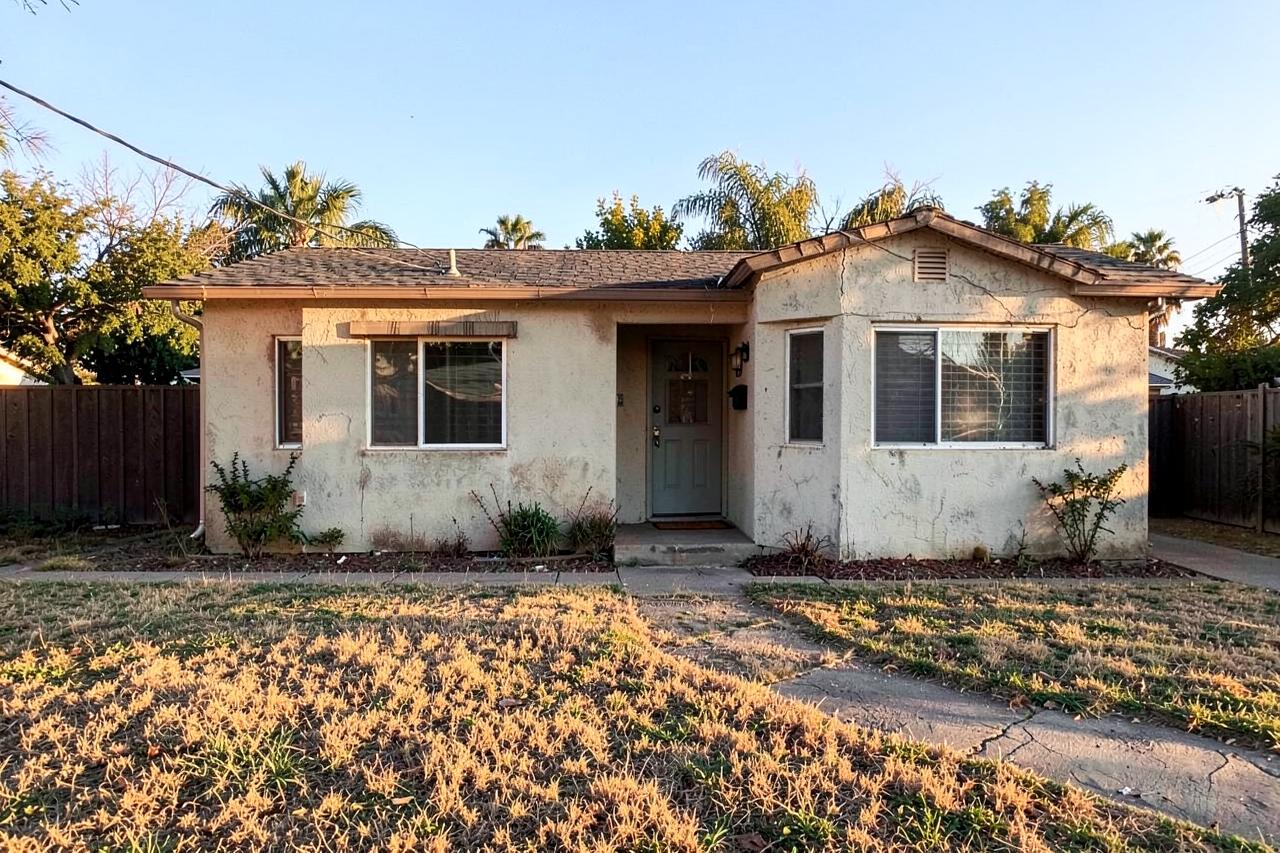
Maybe you moved for a job before the old house sold. Maybe it's a property you inherited and haven't decided what to do with. Maybe a tenant moved out and you haven't relisted it. Whatever the reason, a vacant house in Southern California often costs more to carry than owners expect, and it can carry risks a lived-in home doesn't.
This article covers the practical issues that come up with a vacant house — insurance, maintenance, security — along with how selling as-is compares to fixing the place up before you list.
Selling a property like this?
Have a vacant property sitting empty?
QuickLine can make an as-is offer on vacant homes, which may reduce the time and cost of maintaining an empty property.
Vacant-home insurance is different from a standard policy
Many standard homeowners insurance policies limit or exclude coverage once a home has been unoccupied for a set period, often 30 to 60 days, though this varies by insurer and policy language. If damage occurs — a pipe bursts, a fire starts, vandalism happens — you may find that a standard policy denies the claim because the home was vacant, unless you've secured a specific vacant-home or 'vacant dwelling' policy.
- Ask your insurance agent directly whether your current policy has a vacancy exclusion or clause
- Consider a dedicated vacant-home policy if the property will sit empty for an extended period
- Keep records of any communication with your insurer about vacancy status
- Re-check coverage if the home will remain empty longer than originally planned
Vandalism and squatter risk
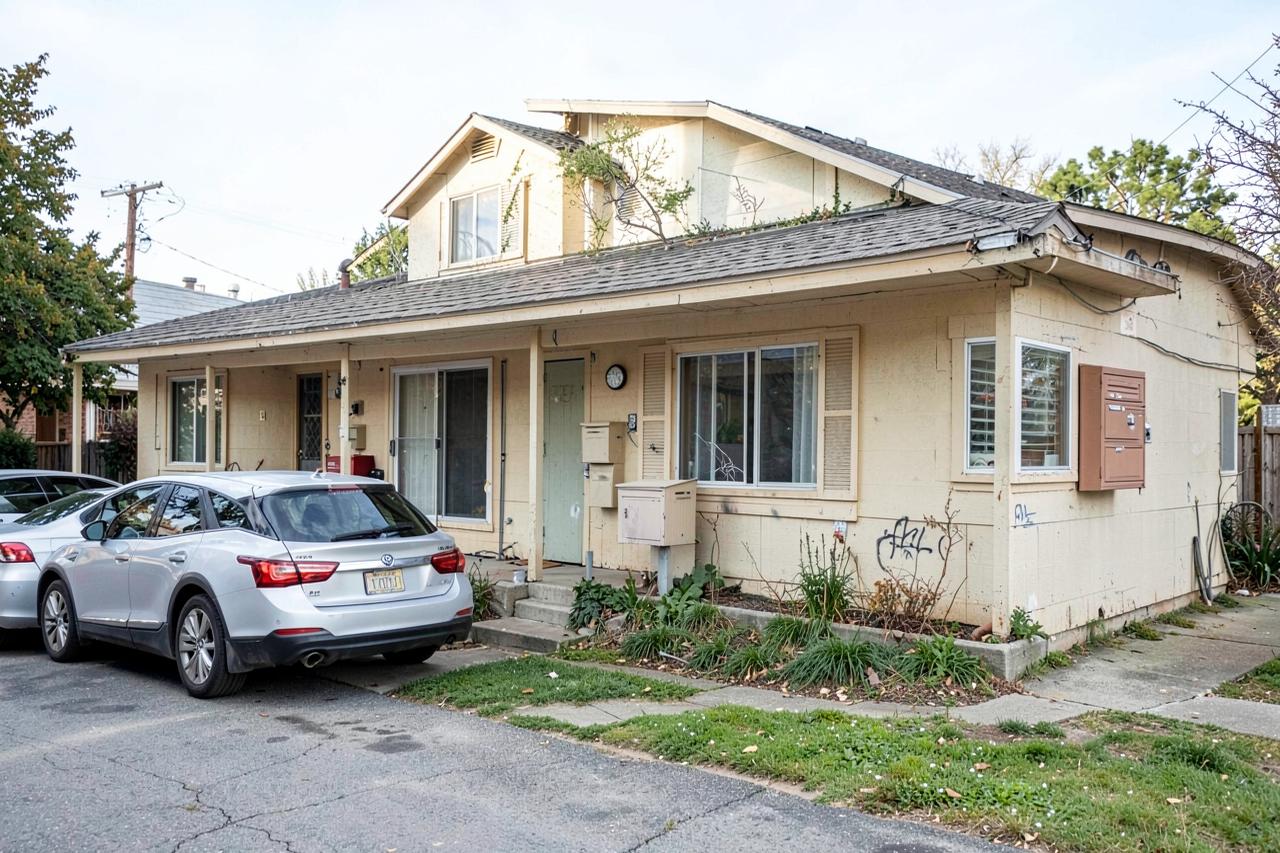
An empty house, especially one without visible activity, can attract unwanted attention. Broken windows, graffiti, stripped copper wiring, and unauthorized occupants are risks that tend to increase the longer a home sits vacant and unmonitored. In some cases, unauthorized occupants who move in and stay for a period of time can complicate removal, since eviction procedures in California can apply even to unauthorized occupants depending on the circumstances.
- 1Keep the exterior maintained so the home doesn't look obviously empty (mow the lawn, collect mail and packages, keep lights on a timer)
- 2Consider a visible security system, cameras, or a monitoring service
- 3Ask a neighbor or property manager to check on the home periodically and report anything unusual
- 4Secure all entry points, including garage doors, side gates, and windows
- 5Change locks if previous tenants, contractors, or family members still have keys
If you discover unauthorized occupants, avoid attempting to remove them yourself. California has specific legal procedures for regaining possession, and a local attorney or law enforcement can advise on the appropriate steps for your situation.
Utilities and ongoing maintenance
It's tempting to shut everything off to save money, but some utilities are worth keeping active. Electricity can power security lighting and alarm systems. Water, kept at a minimum, can help you or an agent periodically check for leaks before they cause major damage. In freeze-prone areas of the Inland Empire or higher-elevation communities, leaving heat off entirely during cold snaps can risk frozen pipes, though this is less common across most of coastal Southern California.
| Item | Why it matters |
|---|---|
| Insurance vacancy clause | Standard policies may not cover losses once a home sits empty past a set period |
| Exterior upkeep | Overgrown landscaping and piled mail can signal the home is unwatched |
| Security measures | Cameras, lighting, and periodic check-ins reduce vandalism and trespassing risk |
| Water shutoff or monitoring | Undetected leaks can cause significant damage over weeks or months |
| Pest control | Vacant homes can attract rodents or insects without regular activity |
| HOA compliance | Some HOAs have rules about unoccupied properties or exterior appearance |
Selling a property like this?
Carrying costs adding up?
If ongoing insurance, utilities, and upkeep on a vacant home feel like a burden, QuickLine can provide a no-obligation as-is offer to help you compare options.
Why the house became vacant matters for your decision
The reason a home sits empty often shapes the best path forward. If you're relocating for work and the sale is just taking time, a vacant-home policy and basic security may be enough to bridge the gap. If the vacancy followed an inheritance, see our guide on selling an inherited house that needs repairs for considerations specific to that situation. If the home was a rental and the vacancy followed a tenant move-out, our article on selling an unwanted rental property covers additional angles.
Repairing versus selling as-is
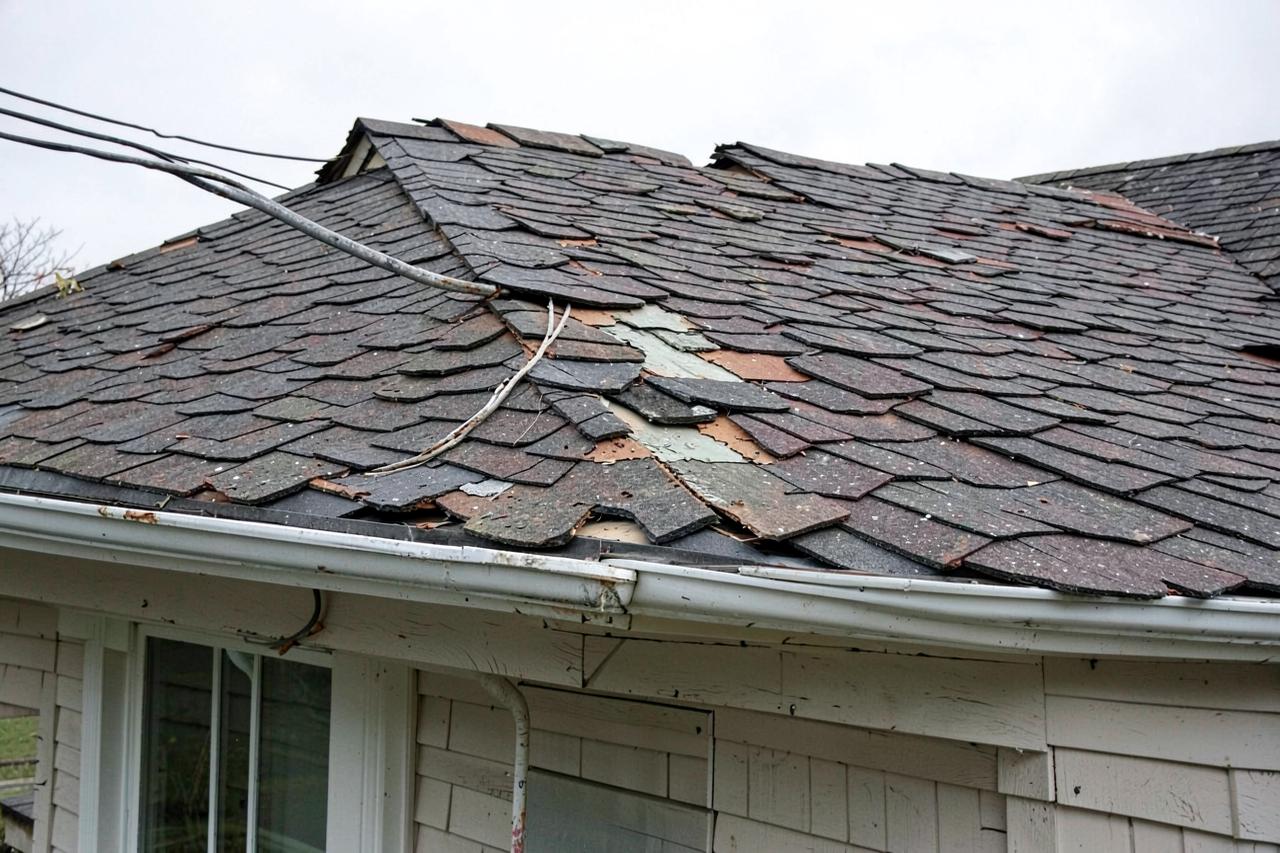
Vacant homes often show wear that wasn't obvious before — a roof leak nobody noticed because no one was inside to see the water stain form, or a slow plumbing issue that's now a larger repair. Deciding whether to repair before selling or list the home as-is depends on the extent of the damage, how much longer you're willing to carry the property, and your budget for repairs.
Repairing before listing can appeal to buyers seeking a move-in-ready home and may support a higher asking price in a traditional sale. But repairs take time and require coordinating contractors for a property no one is actively living in, which can extend the vacancy and the associated insurance and security concerns. Selling as-is skips that step, which some owners of vacant property prefer specifically because it shortens the window during which the home sits empty and exposed.
Practical next steps
If your home is currently vacant, a reasonable starting point is confirming your insurance coverage, arranging for periodic check-ins or a security measure, and getting a general sense of the home's current condition. From there, you can compare a traditional listing, a repair-then-sell approach, or an as-is sale based on how much time, money, and risk tolerance you have for continuing to carry the property.
Frequently asked questions
- Does my regular homeowners insurance cover a vacant house?
- Often not fully. Many standard policies limit or exclude coverage after a home has been vacant for 30 to 60 days, though terms vary by insurer. Check with your insurance agent about a vacant-home policy if the property will sit empty for a while.
- How do I reduce the risk of squatters or vandalism?
- Keeping up the exterior appearance, using visible security cameras or lighting, having a neighbor or manager check in periodically, and securing all entry points can reduce the risk. If unauthorized occupants do move in, consult a local attorney rather than attempting removal yourself.
- Should I turn off all utilities while the house is vacant?
- Not necessarily. Keeping electricity on can support security lighting and alarms, and keeping water available (even at reduced flow) can help with periodic leak checks. Consider your specific situation and consult your utility providers about vacancy options.
- Is it better to repair a vacant house before selling or sell it as-is?
- It depends on your timeline, budget, and how much longer you're willing to carry the property. As-is sales can shorten the vacancy period, while repairs may support a higher price in a traditional listing but require more time and coordination.
- Do HOAs have rules about vacant homes?
- Some do, particularly around exterior maintenance and appearance. Check your HOA's governing documents or contact the HOA directly to confirm any requirements while the home sits vacant.
Areas we buy in
Sources
This article is provided for general informational purposes only and should not be considered legal, tax, financial, accounting, or real estate advice. Laws, regulations, and individual circumstances vary. Consult appropriate qualified professionals regarding your specific situation.