
On this page
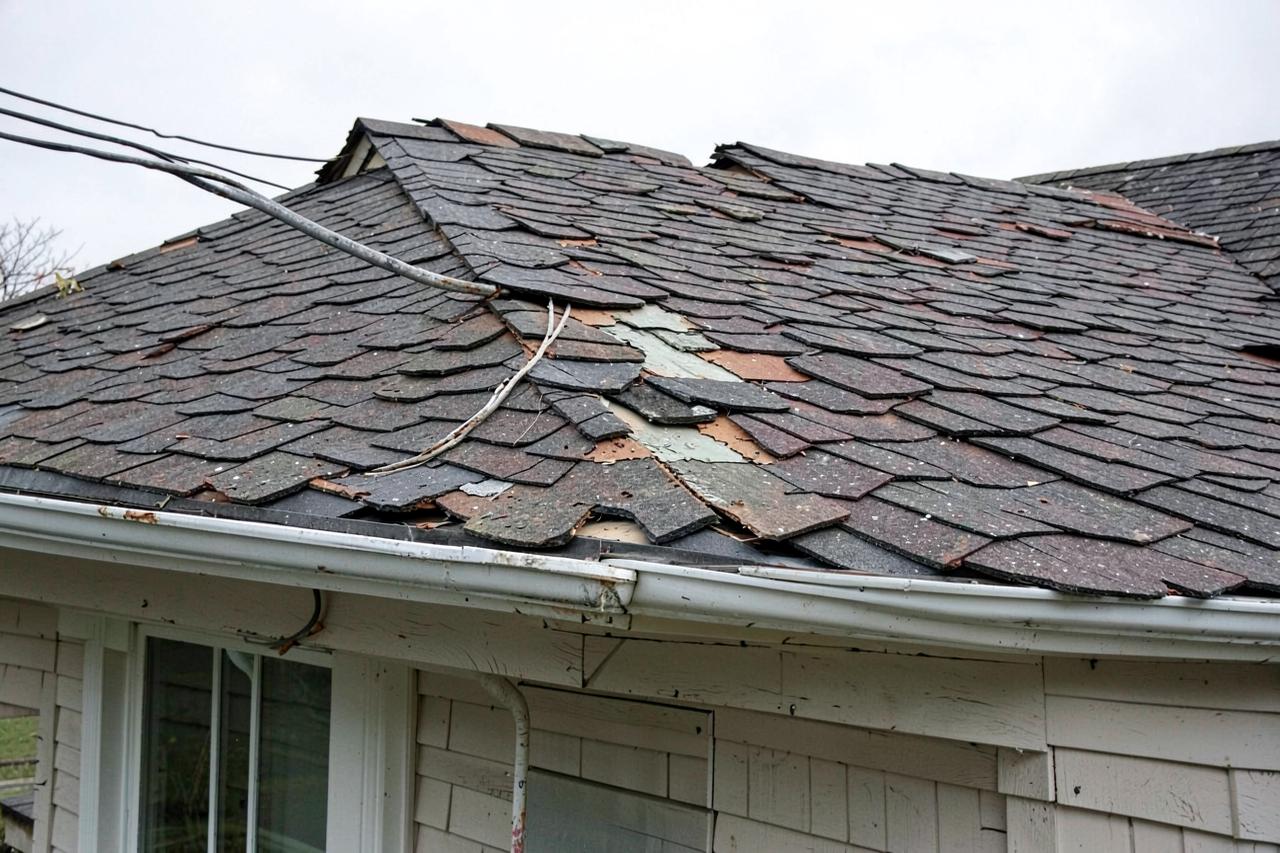
Missing shingles, curling edges, or a stain in the attic after a rainstorm are usually the first signs that a roof is nearing the end of its useful life. When a homeowner in that situation decides to sell, the roof often becomes the single biggest question mark in the transaction — for the buyer, the buyer's lender, and sometimes the insurance company that would need to cover the home going forward.
Selling a property like this?
Considering selling before replacing the roof?
QuickLine buys houses in as-is condition, including homes that need roof work, and can walk you through your options.
What sellers are expected to disclose about roof condition
California sellers of most residential property are required to complete a Transfer Disclosure Statement describing known material defects, which can include roof leaks, past repairs, or age-related deterioration the seller is aware of. The underlying disclosure requirements are found in the California Civil Code. If a seller has patched leaks, replaced sections of roofing, or received a contractor's estimate for full replacement, that information is generally considered relevant and should be disclosed rather than left for the buyer to discover after closing.
How a home inspection typically treats an aging roof
A general home inspector usually examines the roof from the ground, the attic, or a ladder and will note visible wear, missing or damaged shingles, flashing issues, and evidence of past or active leaks. If the inspector suspects the roof is near the end of its service life or finds signs of moisture intrusion, buyers frequently ask for a specialized roofing inspection and a written estimate before deciding whether to move forward, renegotiate price, or request repairs as a condition of closing.
Typical roofing lifespan by material
| Roofing material | Typical lifespan range |
|---|---|
| Asphalt composition shingle | 15–25 years |
| Wood shake | 20–30 years |
| Concrete or clay tile | 40–50+ years |
| Metal roofing | 40–70 years |
| Flat / built-up roofing | 15–20 years |
These are general industry ranges and can vary significantly based on climate, installation quality, and maintenance. A licensed roofing contractor can provide a specific assessment of remaining useful life for your property.
Insurance and lender considerations
An aging or damaged roof can affect more than the sale price — it can affect whether the buyer is able to insure or finance the home at all. Some insurance carriers decline to write new homeowners policies on roofs beyond a certain age or in visibly poor condition, and a buyer who can't secure coverage generally can't close a financed purchase. Loans backed by HUD and other government programs typically require the property to meet minimum health and safety standards, and an appraiser who flags roof damage may trigger a requirement that repairs be completed before the loan can fund.
This dynamic is one reason sellers of homes with roof issues sometimes see financed offers fall through during underwriting, even after the buyer's initial inspection contingency has been removed.
Repairing the roof first vs. selling as-is
Replacing a roof before listing can widen the pool of interested, financeable buyers and may reduce the chance that a deal falls apart during underwriting. It also requires upfront cash, contractor scheduling, and time — often several weeks depending on permitting and material availability. Selling as-is avoids that upfront cost and timeline but generally means marketing to a narrower group of buyers, including cash buyers and investors who plan to handle the replacement themselves.
- 1Get at least one written estimate from a licensed roofing contractor so you know the real scope and cost.
- 2Ask the contractor whether a full replacement or a targeted repair is realistic given the roof's age and condition.
- 3Decide whether the cost is worth recovering through a higher list price versus selling as-is at a price that reflects the roof's condition.
- 4If selling as-is, be prepared to disclose what you know and consider having documentation ready for buyer questions.
Selling a property like this?
Skip the contractor bids and roof replacement altogether
QuickLine can evaluate your property and provide a cash offer reflecting its current condition, roof included.
Permits and roofing work
Most California jurisdictions require a permit for roof replacement and often for significant repairs. If a previous owner or the current seller had roofing work done without pulling a permit, that can come up during a buyer's due diligence or title review. A licensed contractor familiar with the local building department can confirm what permits apply and, in some cases, help pursue a permit after the fact for completed work. Buyers, lenders, and title companies may all view unpermitted roofing work differently, so it's worth clarifying the history before listing if it's known.
Whether you decide to repair or sell as-is, being upfront about the roof's condition tends to reduce surprises during escrow and can help set realistic buyer expectations from the start.
Frequently asked questions
- Do I have to fix the roof before selling my house in California?
- No, but you generally need to disclose known issues with the roof, and some buyers or lenders may require repairs before a financed sale can close. Selling as-is is an option, often to cash buyers.
- Can a bad roof stop a home sale from closing?
- Yes, it can. If an appraiser or inspector flags significant roof damage, the buyer's lender may require repairs, or the buyer's insurance carrier may decline to write a policy, either of which can delay or end a financed transaction.
- How do I know if my roof needs full replacement or just repair?
- A licensed roofing contractor can inspect the roof and provide a written assessment. Factors include the roof's age, material, extent of damage, and whether leaks have caused related issues like rot or mold.
- Does a roof's age have to be disclosed to buyers?
- If you know the roof's age or history of leaks or repairs, that information is typically considered a known material fact under California disclosure rules. A real estate attorney can advise on your specific disclosure form.
Areas we buy in
Sources
This article is provided for general informational purposes only and should not be considered legal, tax, financial, accounting, or real estate advice. Laws, regulations, and individual circumstances vary. Consult appropriate qualified professionals regarding your specific situation.