
On this page
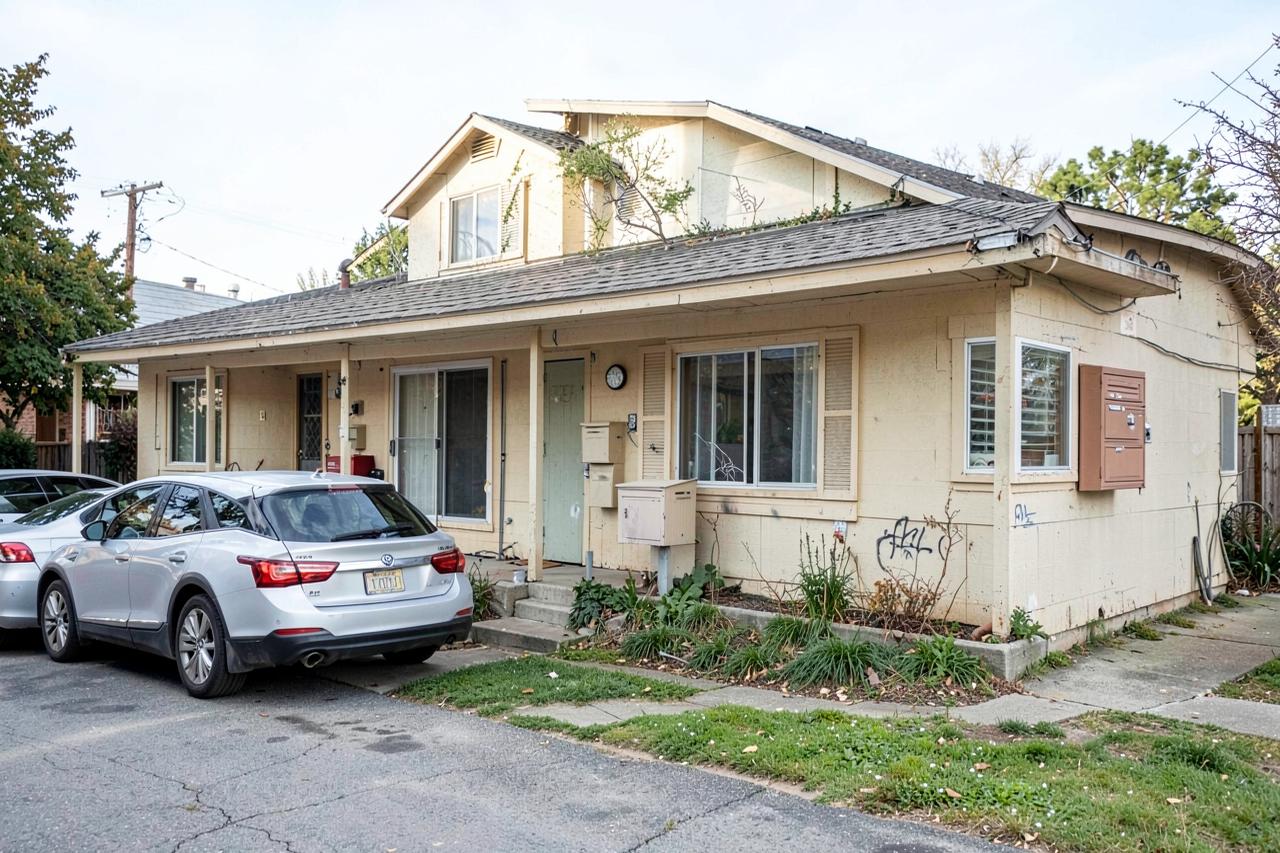
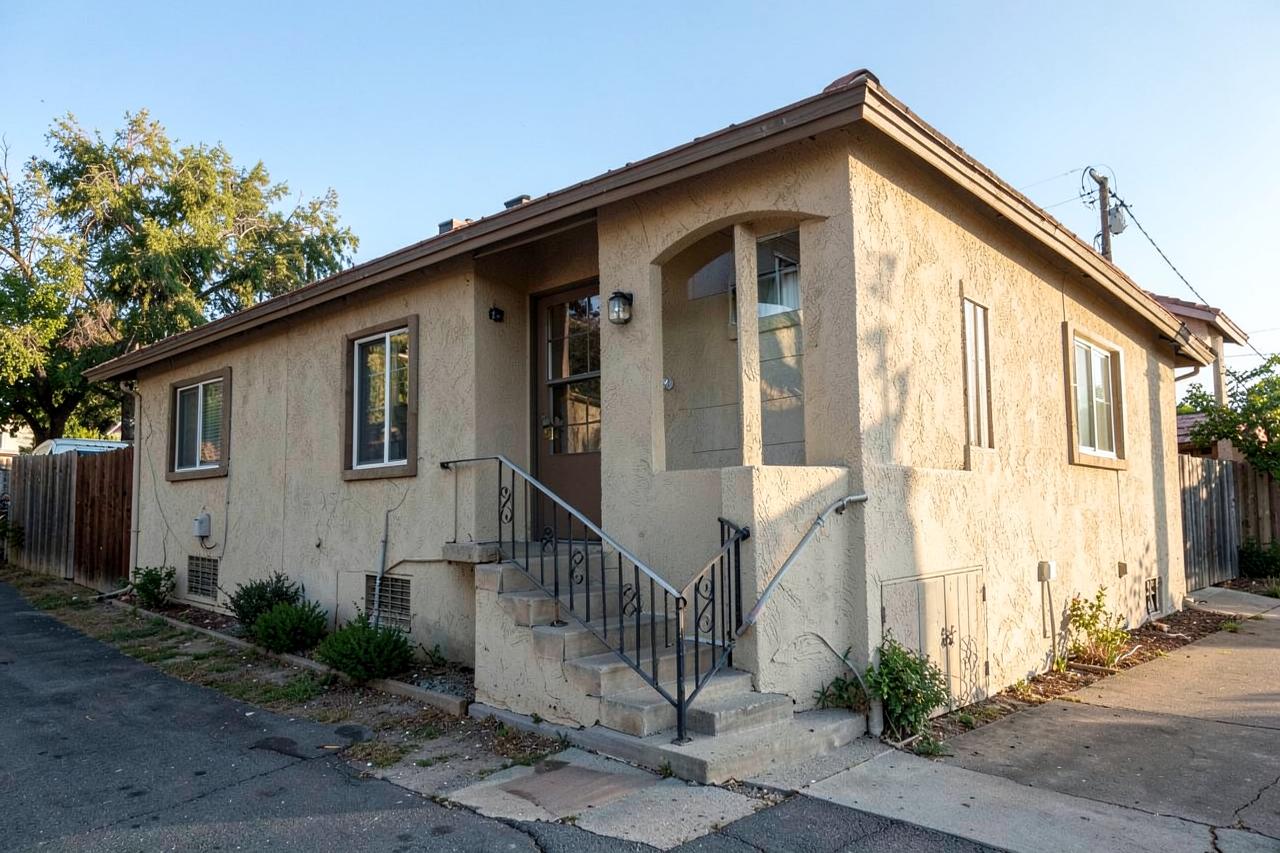
A duplex owner in Long Beach or Anaheim who decides to sell doesn't just have one tenant relationship to think through — often two, each with a different lease start date, rent amount, and history with the property. That doubles the paperwork and the questions a buyer is likely to ask before closing.
Unlike a single-family rental, a duplex sale usually means a buyer is evaluating the income potential of both units together. If one unit is vacant and the other occupied, or if the two leases have very different terms, that mismatch can shape financing, pricing conversations, and how quickly a traditional sale can close.
Selling a property like this?
Thinking about selling an occupied duplex?
QuickLine buys tenant-occupied duplexes and multifamily properties as-is, without requiring you to end existing leases first.
What happens to existing leases when a duplex sells
In California, a valid lease generally survives a change in ownership — the phrase often used is that the lease "runs with the land." A new owner typically steps into the role of landlord and is bound by the terms the previous owner agreed to, including rent amount, lease end date, and any provisions about deposits or pet policies. A month-to-month tenancy also continues unless it is properly terminated with the required notice.
This matters most when the two units in a duplex are on different lease structures — say, one tenant with a year left on a fixed lease and another on a month-to-month arrangement. A buyer purchasing to occupy one side themselves will need to understand which unit, if either, could become available and under what notice timeline, which can vary by city ordinance as described on the Department of Consumer Affairs and local rent board sites.
Estoppel certificates and why buyers ask for them
Buyers and their lenders often request an estoppel certificate from each tenant — a short signed statement confirming the rent amount, deposit held, lease term, and whether there are any side agreements with the landlord. This protects the buyer from surprises after closing and gives them documentation that matches what the seller has represented. Gathering these from tenants in a duplex means two separate conversations, and tenants aren't always quick to respond, which can slow a traditional escrow.
Notice requirements and local rent-control rules
California's statewide Tenant Protection Act (Civil Code Section 1946.2, available on leginfo.legislature.ca.gov) sets baseline just-cause eviction protections for many rental properties, though duplexes where the owner occupies one unit can sometimes qualify for an exemption depending on specific facts. Beyond the state law, cities such as Los Angeles, Santa Ana, and others layer on their own rent stabilization and just-cause ordinances with different notice periods and relocation-assistance requirements.
Security deposits and prorated rent at closing
Each tenant's security deposit typically needs to be transferred to the buyer at closing, along with an accounting of the amount held and any deductions already taken. Escrow instructions can address this directly, and many purchase agreements also prorate rent so the seller isn't paid for days after the sale closes. With two units, it's worth double-checking that both deposit amounts and both prorations are itemized separately rather than combined, since the amounts and lease start dates are rarely identical.
| Item | Unit A | Unit B |
|---|---|---|
| Lease type | Fixed-term or month-to-month | Fixed-term or month-to-month |
| Current rent | Confirm in writing | Confirm in writing |
| Security deposit held | Amount + condition notes | Amount + condition notes |
| Estoppel signed | Yes/No | Yes/No |
Showings, appraisals, and financing friction
Marketing an occupied duplex on the open market usually means coordinating access for showings and an appraisal in two households, not one. California law generally requires reasonable advance notice before entering an occupied unit, and tenants aren't obligated to make the property look staged for buyers. Some lenders also treat multifamily properties with tenants differently in underwriting, particularly if a prospective buyer plans to owner-occupy one side — the timeline for the current tenant to vacate can affect loan approval.
These factors combine to make traditionally listed duplex sales slower on average than single-family sales, simply because there are more moving parts to coordinate and more people whose schedules and cooperation matter.
Selling a property like this?
Tell QuickLine about the house.
If coordinating two tenants, two leases, and a lender's requirements sounds like more than you want to manage, QuickLine can make a cash offer on your duplex in its current condition and current occupancy status.
How a direct as-is sale can simplify things
A direct sale to a buyer purchasing as an investment, rather than to owner-occupy, generally removes much of the friction described above. There's often no need to time a closing around a tenant move-out, no requirement to make repairs to either unit before sale, and no financing contingency tied to appraisal or occupancy status. That doesn't mean tenant rights disappear — the same lease-survival rules and notice requirements still apply — but it can reduce the number of parties whose plans have to line up for the sale to close.
Owners who are also dealing with an unwanted rental property more broadly, or who inherited a duplex through probate, may find it useful to compare this route with selling a rental property with tenants still in place, since many of the same considerations apply at a smaller scale.
When to bring in professional help
Because just-cause eviction rules, rent-control ordinances, and relocation-assistance requirements vary by city and change periodically, it's worth checking current rules directly with the local rent board or housing authority, and consulting a California real estate attorney if a tenant disputes notice, if a unit's exemption status is unclear, or if the property is also part of a probate or trust administration.
- 1Pull both leases and confirm rent, deposit, and term for each unit.
- 2Check whether the city or county has just-cause or rent-stabilization rules that apply to the property.
- 3Decide whether you're marketing to an investor buyer or someone planning to owner-occupy one unit.
- 4Request estoppel certificates early if listing traditionally.
- 5Compare a traditional listing timeline against a direct as-is offer.
Frequently asked questions
- Do tenants have to move out before I sell my duplex?
- Not necessarily. Leases generally survive a change in ownership, so tenants can typically remain unless a lease naturally ends, a legal exemption applies, or proper notice is given under state and local law. A California real estate attorney can review your specific lease and city ordinance.
- Can a buyer force tenants out to move in themselves?
- Owner move-in provisions exist in some California cities but come with specific notice periods, documentation, and sometimes relocation-assistance requirements. These vary widely, so check with the local housing authority or rent board before assuming an owner move-in is straightforward.
- What is an estoppel certificate and do I need one for both units?
- It's a signed statement from a tenant confirming lease terms, rent, and deposit amount. Buyers and lenders commonly request one per unit in a multifamily sale to verify what the seller has disclosed.
- Does selling to a cash buyer avoid rent-control rules?
- No. Local rent-control and just-cause ordinances attach to the property and tenancy, not to how the sale is structured. A direct sale can simplify logistics, but it doesn't override tenant protections.
- What happens to the security deposits when the duplex sells?
- They're typically transferred to the new owner at closing along with an accounting of amounts held, and escrow instructions usually document this transfer for both units separately.
Areas we buy in
Sources
This article is provided for general informational purposes only and should not be considered legal, tax, financial, accounting, or real estate advice. Laws, regulations, and individual circumstances vary. Consult appropriate qualified professionals regarding your specific situation.