
On this page
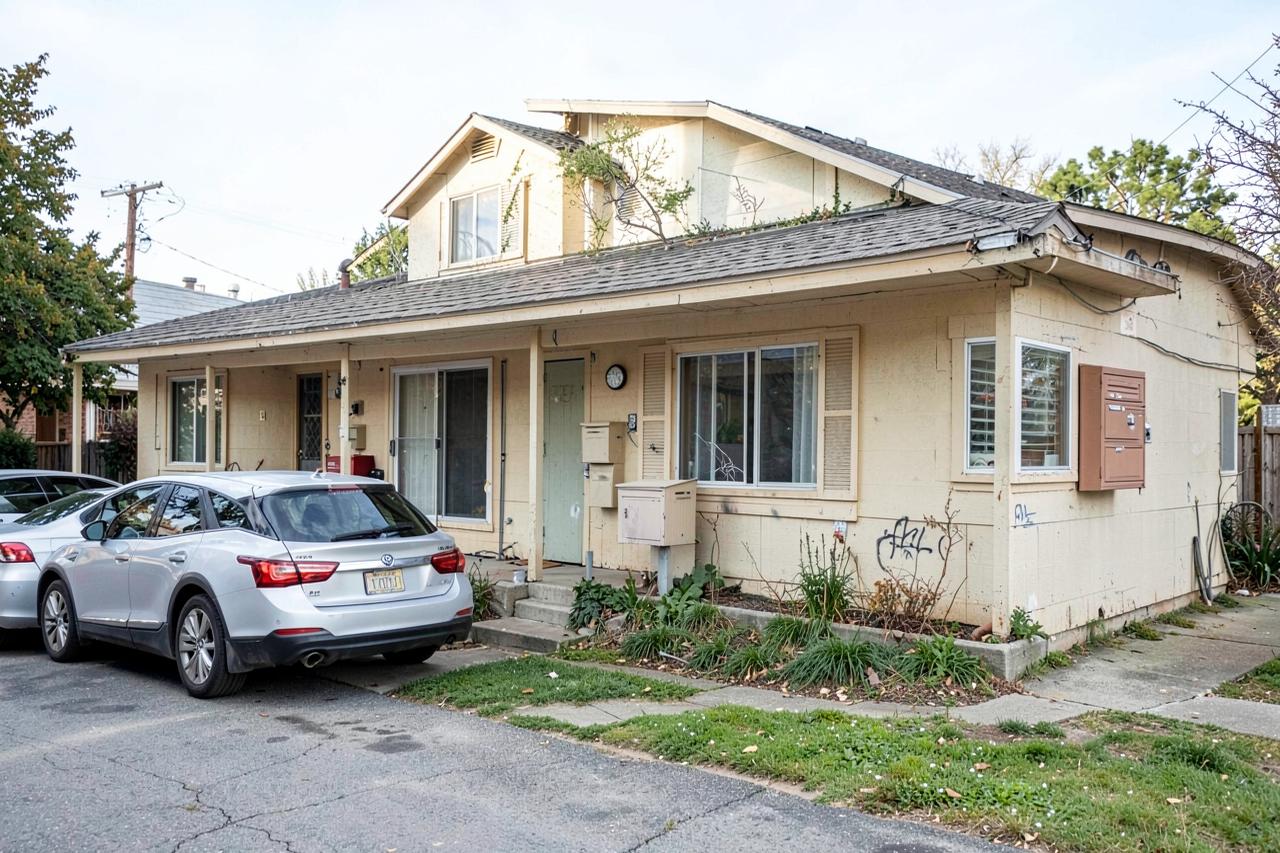
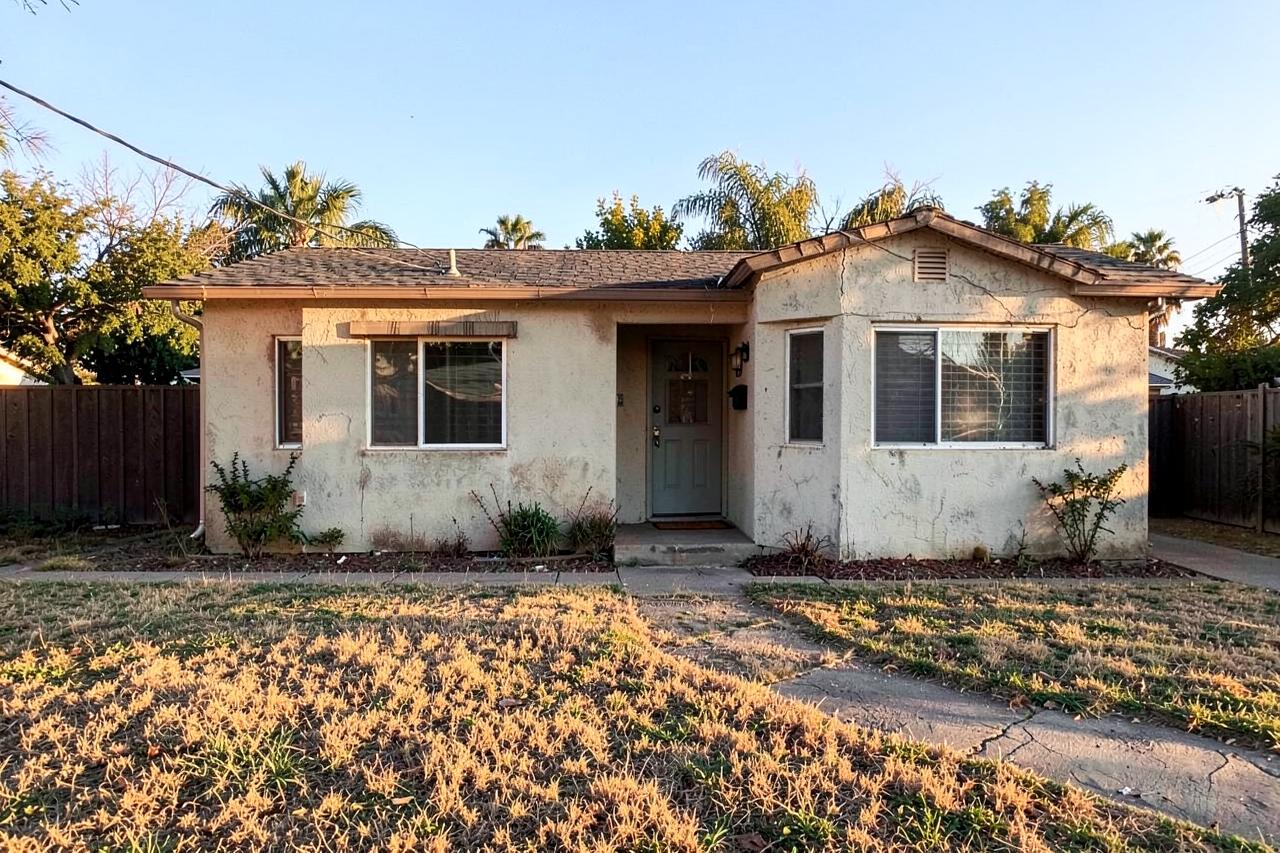
Losing a parent or relative is hard enough. Then you walk into the house they left behind and find a roof that's leaked for years, outdated wiring, a kitchen that hasn't changed since the 1980s, and boxes of belongings nobody has sorted through. If this is where you are, you're not alone, and there's no single right way to handle it.
This article looks at the practical questions that come up when the inherited property in Southern California inherited property also happens to need significant repair work: what to fix, what to skip, how to handle shared ownership with siblings or other heirs, and how selling as-is compares to renovating first.
Selling a property like this?
Not sure where to start?
QuickLine buys inherited houses in as-is condition, so you don't have to sort repairs before deciding what to do next.
Start with an honest assessment of the property
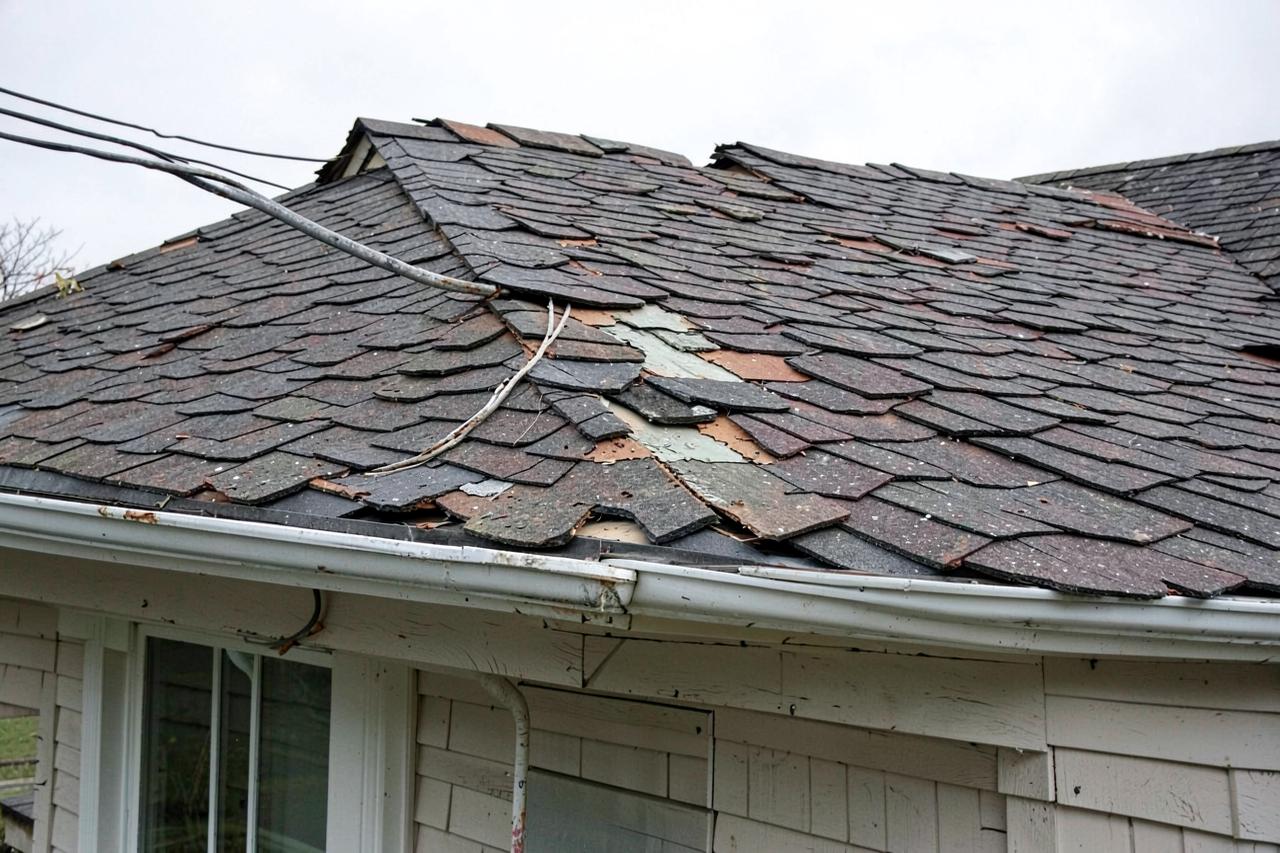
Before deciding anything, it helps to walk through the house with a clear list of what's cosmetic versus what's structural or safety-related. Peeling paint and worn carpet are cosmetic. A sagging roofline, foundation cracks, active water intrusion, or old aluminum wiring are the kinds of issues that typically cost more and may affect what buyers or lenders are willing to accept.
- Roof age and visible leaks or missing shingles
- Foundation cracks, uneven floors, or doors that no longer close properly
- Outdated electrical panels or knob-and-tube wiring
- Plumbing age, water pressure, and any signs of past leaks
- HVAC age and whether it still functions
- Pest or mold issues, especially in older homes
When multiple heirs are involved
It's common for a house to pass to more than one sibling or family member. Disagreements often surface not over whether to sell, but over how much to spend on repairs first, who handles the work, and how costs get divided. These conversations can be difficult, especially while everyone is still grieving.
A few things tend to help: getting a neutral written estimate of repair costs so the discussion isn't based on guesses, agreeing in writing on how expenses will be reimbursed from sale proceeds, and deciding early whether the house will be repaired, sold as-is, or listed on the open market. If heirs can't agree, a probate attorney or mediator can help clarify each person's rights and options — see our separate guide on selling a house during probate for more on court-supervised sales.
Buying out another heir's share
Sometimes one heir wants to keep the house and buy out the others. This usually requires a private appraisal to establish fair market value and, depending on how title was transferred, may involve refinancing. A real estate attorney or CPA can walk through the tax and title implications specific to your situation.
Clearing out belongings before a sale
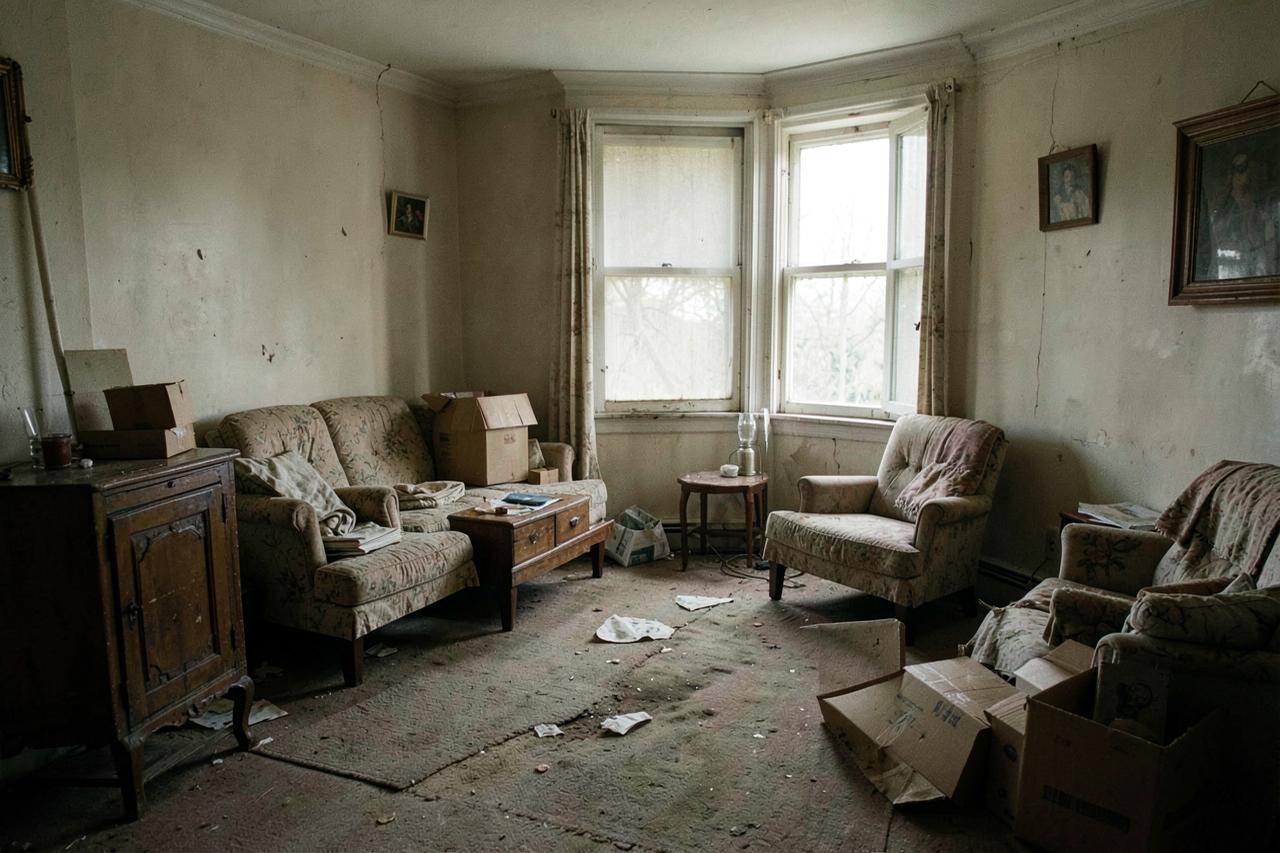
Sorting through a lifetime of belongings is often the most emotionally draining part of the process, and it can also affect your timeline. Some families set aside a weekend, others take it room by room over weeks or months. There's no deadline that fits every situation, but a few practical steps tend to make it more manageable.
- 1Set aside sentimental or high-value items first (documents, jewelry, photos, family heirlooms)
- 2Sort remaining items into keep, donate, sell, and discard categories
- 3Look for local donation pickup services to reduce hauling
- 4Photograph rooms before clearing them out, which can help with insurance or estate records
- 5Budget time or a junk removal service for what's left over
Repair first, sell as-is, or something in between
Once you know the condition of the house, the next decision is whether to invest in repairs before listing, or sell the property as-is. Both paths are legitimate, and the right one depends on your finances, timeline, and how many people are involved in the decision.
| Factor | Repair, then list traditionally | Sell as-is |
|---|---|---|
| Upfront cost | You typically pay for repairs before or during the sale process | Little to no upfront repair spending |
| Timeline | Can take longer due to contractor scheduling and permitting | Often faster since repairs are skipped |
| Buyer pool | May appeal to more traditional buyers seeking move-in-ready homes | Often appeals to investors or cash buyers |
| Effort required | Coordinating contractors, permits, inspections | Minimal coordination beyond disclosures |
| Uncertainty | Repair costs can run over budget or uncover more issues | Price typically reflects condition upfront |
For homes needing extensive work, see our related guide on selling a house that needs repairs for more detail on triaging specific repair categories.
Selling a property like this?
Considering an as-is sale?
QuickLine can make an offer on the home in its current condition, which may simplify things if repairs or cleanout feel overwhelming.
Understanding stepped-up basis (talk to a CPA)
One concept worth discussing with a CPA is 'stepped-up basis.' In general terms, when property is inherited, its tax basis may be adjusted to the fair market value at the date of death rather than what the original owner paid. This can affect how much taxable gain, if any, exists when the property is later sold. The details depend on how title was held, whether the property was jointly owned, and current IRS rules, so this is not something to estimate on your own — a CPA familiar with estate and inherited property can walk through your specific numbers.
Working with a probate attorney or CPA
Every estate is different, and the right path depends on how the property was titled, whether it's going through probate court, and how many heirs are involved. A probate attorney can clarify your legal authority to sell, and a CPA can walk through tax implications, including stepped-up basis and any potential capital gains. Neither this article nor QuickLine can substitute for that individualized advice.
Weighing your options
There isn't a single correct answer for every inherited house that needs work. Some families choose to invest in repairs because they want to maximize resale value and have the time and cash flow to manage a renovation. Others find that selling as-is reduces stress, avoids further disagreements among heirs, and lets everyone move forward sooner. Comparing a cash buyer versus a traditional listing can help clarify which trade-offs matter most to your family.
Frequently asked questions
- Do I have to fix everything before selling an inherited house?
- No. Many inherited homes are sold as-is, meaning the buyer accepts the property in its current condition. This can simplify the process, though the sale price typically reflects the condition of the home.
- What if my siblings and I disagree about repairs or selling?
- This is common. A written repair estimate and a clear agreement on how proceeds will be split can help. If disagreements continue, a probate attorney or mediator familiar with California estate matters can help clarify options.
- What is stepped-up basis and does it apply to me?
- Stepped-up basis is a tax concept that can adjust the cost basis of inherited property to its value at the date of death, which may affect capital gains if the home is sold later. A CPA can determine how it applies to your specific estate.
- How long does clearing out a house usually take?
- It varies widely depending on the size of the home, how much needs to be sorted, and how many family members are helping. There is no set timeline, and it's reasonable to take the time you need.
- Should I get an inspection before deciding to repair or sell as-is?
- A general inspection can be useful because it gives you a written, itemized view of the home's condition, which can inform whether repairs are worth pursuing or whether an as-is sale makes more sense.
Areas we buy in
Sources
This article is provided for general informational purposes only and should not be considered legal, tax, financial, accounting, or real estate advice. Laws, regulations, and individual circumstances vary. Consult appropriate qualified professionals regarding your specific situation.